
Amniotic Membrane Therapy
Relief for dry eyes that won't go away.
A treatment option for chronic dry eye, offered at our Odessa and East Lake offices and at our offices inside Visionworks.
If drops and other treatments haven't helped, amniotic membrane therapy may help the surface of your eye heal and feel comfortable again.
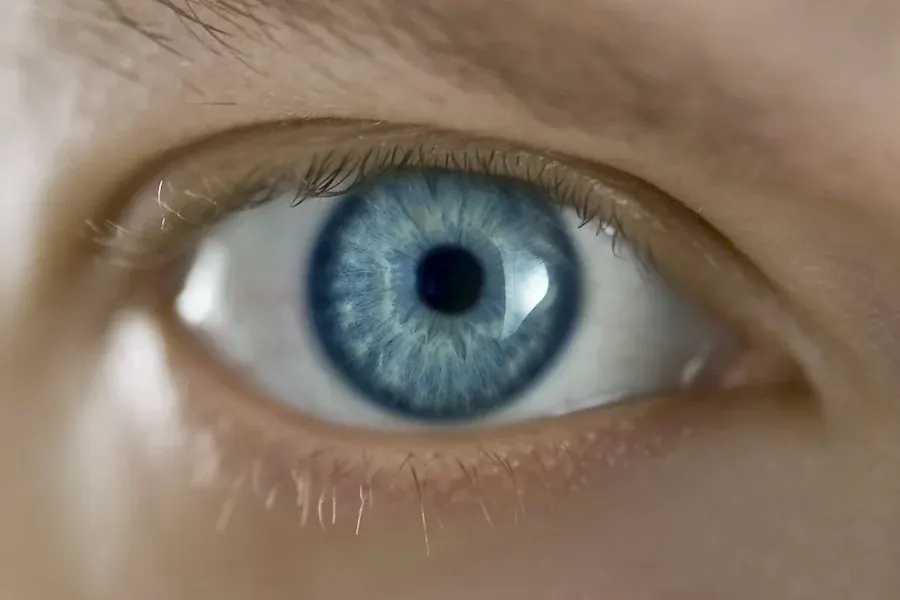
Is it right for you?
Amniotic membrane therapy may be worth considering if you've tried artificial tears, prescription drops or other treatments and still have burning, grittiness, tearing or tired eyes. It's used for many kinds of dry eye, including evaporative dry eye, meibomian gland dysfunction and dry eye related to Sjögren's syndrome or past eye surgery such as LASIK.
How it works
Amniotic membrane is a thin, natural tissue from donated placentas, carefully screened and processed. Your doctor places it on the front of your eye, much like a contact lens, where it stays for a few days.
While it's in place, it protects the surface of your eye as it heals and helps calm inflammation, supporting a healthier tear film.
What patients notice
- Less burning, grittiness and eye fatigue
- Less reliance on artificial tears
- More comfortable, clearer vision through the day
Results vary from person to person. Your doctor will talk through what to expect for your eyes.
Next step
Book a dry eye consultation at our Odessa or East Lake office, or at one of our offices inside Visionworks. We'll find the cause of your symptoms and let you know whether amniotic membrane therapy is a good fit.
Stem cell eye treatments: what is real today?
Many people search for stem cell treatments for their eyes. Here is where things stand:
- For dry eye, there is no FDA-approved stem cell treatment. Proven options include amniotic membrane therapy, prescription drops, punctal plugs and in-office eyelid gland treatments. Dry eye treatment.
- "Stem cell" or exosome eye drops sold online or by some clinics are not FDA-approved treatments for dry eye. Talk with your eye doctor before using any eye product that is not prescribed.
- Stem cell injections into the eye offered by some clinics for macular degeneration or other conditions are not FDA-approved, and the FDA has warned about unapproved stem cell products. Serious vision loss has been reported after unapproved injections.
- Limbal stem cell transplant is a real surgical treatment for a rare condition of the cornea. It is performed by cornea surgeons, and we refer patients when it is needed.
- Research is ongoing. If you are interested in a clinical trial, ask your doctor, and we can help you find legitimate options.
Common questions
What is amniotic membrane therapy?
Amniotic membrane is a thin, natural tissue from donated placentas, carefully screened and processed. Your doctor places it on the front of your eye, much like a contact lens, to protect the surface of the eye as it heals and help calm inflammation.
How long does the membrane stay on the eye?
It stays in place for a few days while it does its work.
Who is it for?
It may be worth considering if you've tried artificial tears, prescription drops or other treatments and still have burning, grittiness, tearing or tired eyes. It's used for many kinds of dry eye, including evaporative dry eye, meibomian gland dysfunction and dry eye related to Sjögren's syndrome or past eye surgery such as LASIK.
What results can I expect?
Patients often notice less burning, grittiness and eye fatigue, less reliance on artificial tears and more comfortable vision through the day. Results vary from person to person, and your doctor will talk through what to expect for your eyes.
Is amniotic membrane therapy the same as stem cell therapy?
No. Amniotic membrane therapy uses a thin layer of donated, processed tissue placed on the surface of the eye, like a contact lens, for a few days. It is not a stem cell treatment, and we do not offer stem cell injections or other stem cell procedures. It isn't a permanent cure for dry eye; many patients also continue other dry eye care.
What happens at the visit?
Your doctor first examines the surface of your eye and your tear film to find the cause of your dry eye. If amniotic membrane therapy is a good fit, your eye is numbed with drops and the membrane is placed on the front of the eye. You come back for a follow-up visit so your doctor can check how your eye is healing.
Does it hurt?
The eye is numbed before the membrane is placed. Most patients say it feels like wearing a thick contact lens, and vision in that eye may be blurry while the membrane is in place.
Where is it offered?
At our Odessa and East Lake (Palm Harbor) offices, and at our offices inside Visionworks from Port Richey and Tampa to Bradenton, Sarasota and Venice. Book a dry eye consultation and tell us you're interested in amniotic membrane therapy.
Is there a stem cell treatment for dry eye?
Not an FDA-approved one. Effective dry eye treatments include amniotic membrane therapy, prescription eye drops, punctal plugs and in-office eyelid gland treatments. Our doctors find the cause of your dry eye and recommend the right combination.
Are stem cell eye drops safe?
"Stem cell" and exosome eye drops are not FDA-approved treatments for dry eye. Check with your eye doctor before using any eye product that has not been prescribed for you.
Is there a stem cell treatment for macular degeneration?
There is no FDA-approved stem cell treatment for macular degeneration, and the FDA has warned about clinics offering unapproved stem cell injections. Proven treatments exist for wet macular degeneration, and regular exams help catch changes early.
“I was having severe dry eyes and needed a quick appointment. I went to the Odessa location Dr. Than was able to see me right away and was so helpful and kind! Dr. Than takes time for her patients and it really shows.”Lauren C. · Odessa, Google review