
Your Baby's Vision: Milestones & First Eye Exam
Milestones & first eye exam.
Your baby is learning to see, one month at a time.
Here's what to expect from birth to age 5, the signs to call us about, and when to schedule your child's first eye exam with Dr. Mats.
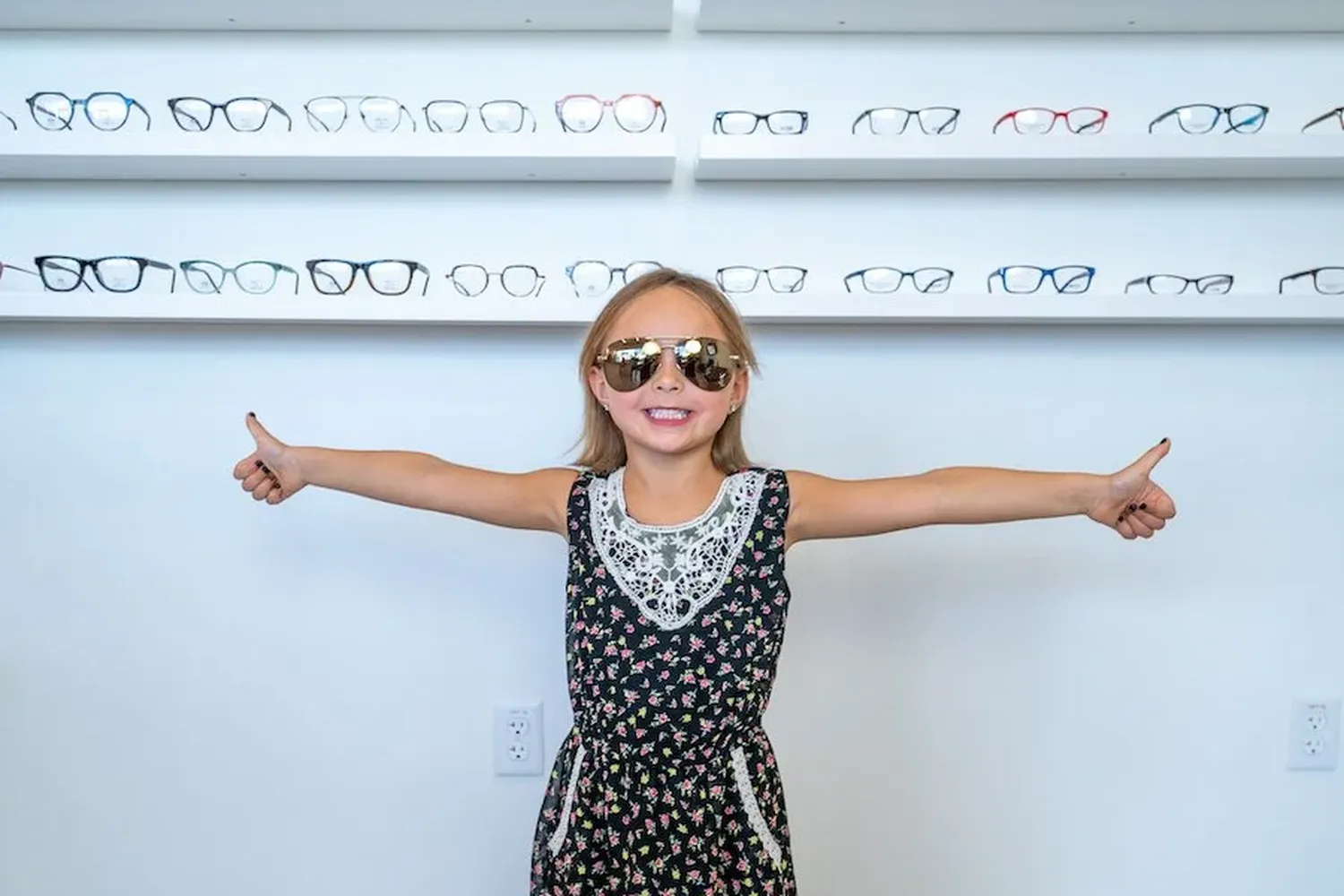
Babies learn to see
Babies aren't born with all the vision skills they need. Focusing, moving the eyes accurately and using both eyes as a team are learned over the first months and years, much like walking and talking (AOA). Every baby is different, and some reach milestones a little earlier or later. If your baby was born early, count from the due date, not the birth date (AAO).
Vision milestones, birth to 5
Signs to call us about
Most babies have healthy eyes. But some signs need prompt attention from an eye doctor (AOA; AAO):
- An eye that turns in or out all the time, or any eye turn after the first few months
- A white pupil, or a white or yellow glow in one eye in photos (bring the photo with you; AAO)
- Constant tearing or watery eyes
- Red or crusty eyelids
- Strong sensitivity to light
- Not following faces or moving toys by about 3 months
- Older babies and toddlers: squinting, tilting the head, covering one eye, or bumping into things often
When to schedule an eye exam
Your pediatrician checks your baby's eyes at well-child visits (AAO). The American Optometric Association also recommends full eye exams with an eye doctor (AOA):
- A first exam between 6 and 12 months
- At least once between ages 3 and 5
- Before first grade, and then every year through the school years
We see children from age 1 at our Odessa office with Dr. Iris Matsukado ("Dr. Mats"). If your baby is younger and something worries you, call us and we'll help you figure out the right next step with your pediatrician.
What a baby or toddler eye exam looks like
Your child doesn't need to know letters or answer questions. Dr. Mats uses lights, pictures and toys to see how the eyes focus, move and line up. She measures the prescription by watching how light reflects from the eyes, and checks eye health.
- Little ones usually sit on a parent's lap
- Dilating drops are often used so the doctor can see the whole inside of the eye and measure the prescription accurately. The effect wears off within several hours
- Pick a time when your child is usually rested and fed, and bring a favorite toy or snack
- Bring any photos that worried you, and a list of questions
Learn more about lazy eye (amblyopia) and eye turns (strabismus), two conditions that are easier to treat when found early.
Ask Dr. Mats
New parents have lots of questions, and they're always welcome. Is that eye drift normal? What does that glow in the photo mean? When should we come in? Call our Odessa office at (813) 926-5993, and our team will get your question to Dr. Mats.
Dr. Mats has cared for children's eyes for more than 30 years. Read more about our pediatric eye care.
Common questions
When should my baby have a first eye exam?
The American Optometric Association recommends a first eye exam between 6 and 12 months, another at least once between ages 3 and 5, and exams before first grade and every year after. We see children from age 1 at our Odessa office with Dr. Mats.
Is it normal for my newborn's eyes to cross or wander?
In the first two months, a baby's eyes often wander or cross at times, and that's usually normal. If one eye turns in or out all the time, or you still notice it after the first few months, call us or your pediatrician.
What does a white glow in my baby's eye in photos mean?
A white or yellow reflection in one eye in photos can be a sign of an eye problem, though camera flash can sometimes cause it. Don't wait: call us or your pediatrician right away and bring the photo.
How can you test vision if my child can't talk or read?
Young children are tested with lights, pictures and toys. The doctor measures the prescription by watching how light reflects from the eyes, so your child doesn't need to know letters or answer questions.
Will my child's eyes be dilated?
Often, yes. Dilating drops let the doctor see the whole inside of the eye and measure the prescription accurately in young children. The effect wears off within several hours.
Who sees babies and toddlers at Beyond 2020?
Dr. Iris Matsukado (“Dr. Mats”) sees children from age 1 at our Odessa office, 16230 State Road 54. Questions are welcome. Call (813) 926-5993.
Medically reviewed by Dr. Christopher Tumolo, O.D., L.D.O. · Last reviewed
Sources
- American Optometric Association: Infant vision, birth to 24 months
- American Optometric Association: Preschool vision, 2 to 5 years
- American Academy of Ophthalmology: Vision Development, Newborn to 12 Months
- American Academy of Ophthalmology: How Photos Can Help Diagnose Children's Eye Problems
- American Optometric Association: Comprehensive eye exams
This page is general education, not a diagnosis. Same-day appointments are available during office hours.